



Especialistas en endodoncia
Endodoncia en Costa Rica: salva tu diente de forma segura y sin dolor
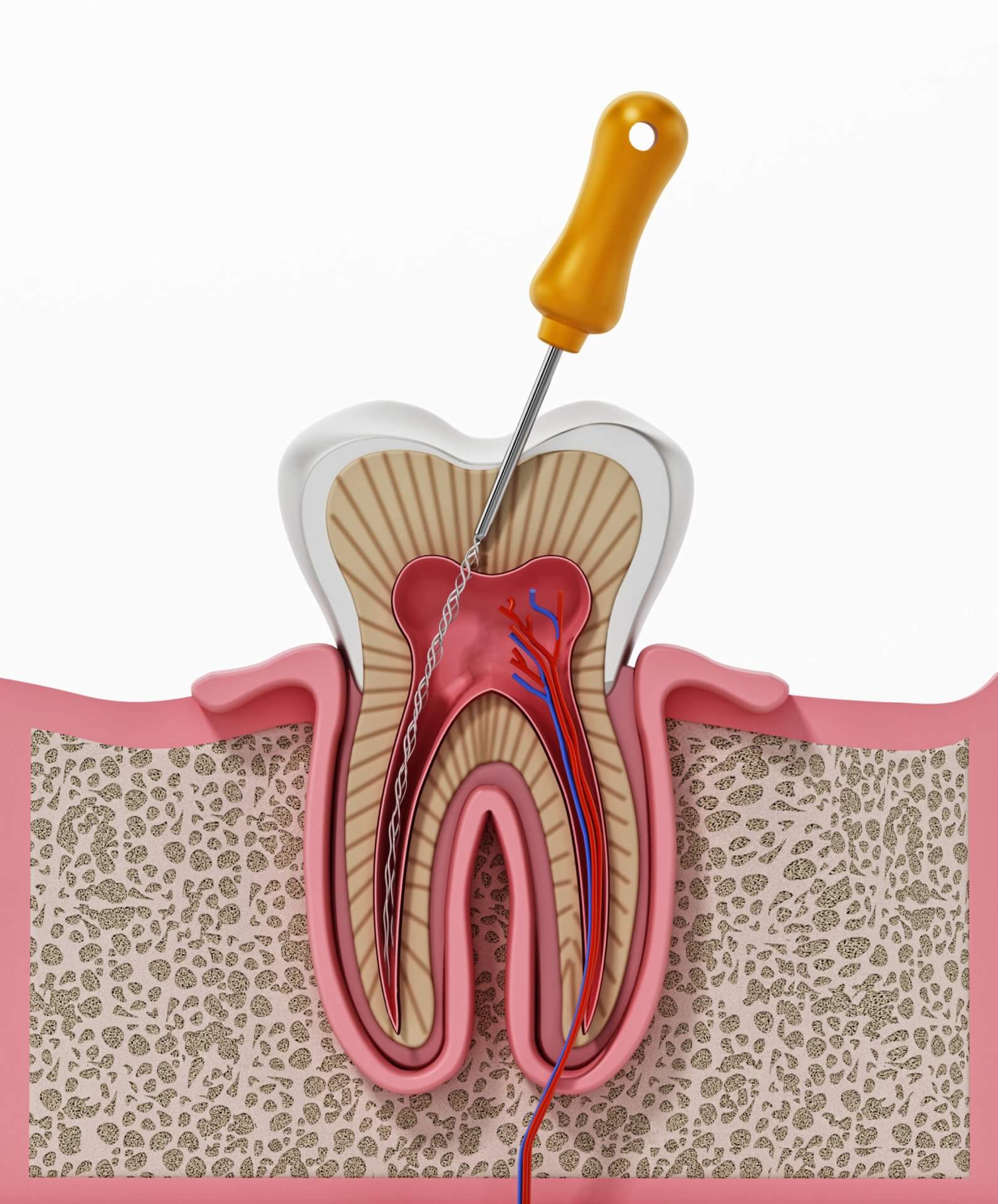
La endodoncia, conocida como tratamiento de nervio, es el procedimiento que elimina la pulpa dental infectada o dañada, limpia y sella los conductos radiculares. Permite conservar el diente natural en lugar de extraerlo. Después del tratamiento de conducto, en la mayoría de los casos recomendamos proteger el diente con una dental crown.
- Tratamiento en una sola sesión
- Anestesia de alta efectividad
- Tecnología rotativa y radiografías digitales
Respondemos en menos de 2 horas · Atención de urgencia disponible
Contact
Please provide us with your details and comments so we can connect you as soon as possible.
"*" indicates required fields
Nerve treatment
What is endodontics and when is it necessary?
La endodoncia, conocida como tratamiento de nervio, es el procedimiento que elimina la pulpa dental infectada o dañada, limpia y sella los conductos radiculares. Permite conservar el diente natural en lugar de extraerlo.
¿Cuándo está indicada la endodoncia?
- Caries profunda que afecta la pulpa dental
- Infección o absceso en la raíz del diente
- Dolor intenso al masticar o al tomar bebidas calientes o frías
- Traumatismo dental con daño a la pulpa
- Diente oscurecido por daño interno

Tipos de tratamiento
Opciones de endodoncia según tu caso
Cada situación es diferente. Evaluamos tu caso para determinar el tratamiento más adecuado.
MÁS FRECUENTE
Endodoncia convencional
Tratamiento estándar en una sesión
- Eliminación de la pulpa infectada
- Limpieza y modelado de conductos
- Sellado hermético del canal
- Mayoría de casos resueltos en 1 cita
Retratamiento endodóntico
Para tratamientos previos fallidos
- Reapertura y limpieza de conductos
- Corrección de sellos deficientes
- Tratamiento de reinfecciones
- Cuando el primer tratamiento no fue suficiente
Endodoncia quirúrgica
Casos de alta complejidad
- Apicectomía para infecciones persistentes
- Tratamiento de quistes periapicales
- Cuando el acceso por conducto no es posible
- Solución definitiva para casos complejos
Beneficios del tratamiento
Por qué la endodoncia es mejor opción que la extracción
Beneficios para tu salud bucal
- Conserva tu diente natural
- Previene el desplazamiento de dientes adyacentes
- Evita la pérdida de hueso maxilar
- Mantiene la funcionalidad completa al masticar
Ventajas del procedimiento moderno
- Prácticamente indoloro con anestesia local
- Resuelto en su mayoría en una sola sesión
- Tecnología rotativa para mayor precisión
- Recuperación rápida y sin complicaciones
Proceso
Así funciona el tratamiento de endodoncia
Un procedimiento preciso y ordenado, diseñado para minimizar las molestias y maximizar los resultados.
1
Diagnóstico y radiografía
Evaluación clínica y radiografías digitales para determinar el estado de los conductos y planificar el tratamiento.
2
Anestesia y apertura
Aplicación de anestesia local de alta efectividad. Se realiza una apertura en la corona del diente para acceder a la pulpa.
3
Limpieza de conductos
Eliminación de la pulpa dañada, limpieza y modelado de los conductos con instrumental rotativo de precisión.
4
Sellado y restauración
Sellado hermético de los conductos con material biocompatible y colocación de la restauración definitiva.
Advanced technology
Endodoncia con tecnología de última generación
Utilizamos instrumental rotativo de níquel-titanio, radiografías digitales y localizadores apicales electrónicos para realizar tratamientos de alta precisión con el máximo confort. Esta tecnología reduce significativamente el tiempo de tratamiento y mejora los resultados a largo plazo.
- Instrumental rotativo NiTi de alta flexibilidad
- Radiografías digitales de baja radiación
- Localizador apical electrónico para mediciones precisas
- Tomografía 3D CBCT para casos complejos

¿Eres candidato?
¿Cuándo necesitas una endodoncia?
Cualquier persona con un diente infectado, con dolor intenso o daño pulpar severo puede ser candidata. Lo importante es actuar rápido: cuanto antes se trata, mejor es el pronóstico del diente.
- Dolor espontáneo o intenso al masticar
- Sensibilidad prolongada al calor o al frío
- Hinchazón o fístula cerca del diente
- Oscurecimiento repentino de un diente
- Caries profunda con exposición de la pulpa

¿Por qué elegirnos?
Especialistas en endodoncia en Costa Rica
Endodoncistas especializados
Nuestro equipo cuenta con formación específica en endodoncia y amplia experiencia en tratamientos de nervio de toda complejidad.
Tecnología rotativa avanzada
Utilizamos instrumental rotativo NiTi y localizadores apicales para mayor precisión, menor tiempo en silla y mejores resultados.
Más de 25 años de experiencia
Una trayectoria sólida en el tratamiento endodóntico nos permite enfrentar con seguridad incluso los casos más complejos.
Atención de urgencia disponible
Entendemos que el dolor dental es urgente. Respondemos en menos de 2 horas para atender tu caso lo antes posible.
Testimonios reales
Lo que dicen nuestros pacientes
★★★★★
“Llegué con un dolor insoportable y miedo al tratamiento. Me explicaron todo desde el principio y el procedimiento fue muchísimo menos doloroso de lo que esperaba. ¡Lo resolvieron en una sola cita!”
Fernando A.
San José, Costa Rica
★★★★★
“Pensé que iba a perder el diente. Gracias al tratamiento de nervio lo pudieron salvar. El equipo fue muy profesional y el seguimiento post-tratamiento excelente.”
Karina M.
Miami, FL
★★★★★
“Tenía terror a la endodoncia por lo que escucha uno. Fue la sorpresa más grata. Rápido, sin dolor y con resultados perfectos. Recomiendo ampliamente a este equipo.”
Jorge R.
Heredia, Costa Rica

Inversión en tu salud dental
Endodoncia en Costa Rica: calidad internacional a precio accesible
El tratamiento de endodoncia en Costa Rica tiene un costo significativamente menor que en Estados Unidos o Europa, con la misma tecnología, materiales y nivel de especialización.
- Consulta de urgencia disponible
- Planes de pago personalizados
- Opciones de financiamiento disponibles
- Atención a pacientes internacionales
Ahorro de hasta un 70% respecto a los precios en Estados Unidos, con los mismos estándares de calidad y tecnología.
Financing available

Frequently Asked Questions
Todo lo que necesitas saber sobre la endodoncia
¿La endodoncia duele mucho?
Contrario a la creencia popular, la endodoncia moderna es prácticamente indolora gracias a la anestesia local de alta efectividad. Durante el procedimiento sentirás presión pero no dolor. Las molestias postoperatorias son leves y manejables con analgésicos de venta libre.
¿Cuánto dura el tratamiento de endodoncia?
La mayoría de los tratamientos se completan en una única sesión de 60 a 90 minutos según la complejidad del caso. Los casos de retratamiento o con anatomía compleja pueden requerir más de una cita.
¿Puedo comer normal después del tratamiento?
Se recomienda esperar hasta que cese el efecto de la anestesia antes de comer. Después puedes alimentarte con normalidad, aunque es recomendable evitar masticar del lado tratado hasta que se coloque la restauración definitiva.
¿Cuánto dura un diente tratado con endodoncia?
Con la restauración adecuada y una buena higiene bucal, un diente con endodoncia puede durar toda la vida. La clave está en completar la restauración definitiva (corona u obturación) después del tratamiento.
¿Es obligatorio poner una corona después de la endodoncia?
No siempre, pero sí es muy recomendable en la mayoría de los casos. Un diente tratado endodónticamente pierde humedad y se vuelve más frágil. Una corona lo protege de fracturas y prolonga su vida útil significativamente.
¿Qué pasa si no me trato a tiempo?
Si se posterga el tratamiento, la infección puede extenderse al hueso maxilar, provocar abscesos graves y hacer inviable salvar el diente. Actuar rápido mejora el pronóstico y puede evitar la extracción y la necesidad de un implante.
¿Tienes dolor dental? No esperes más
Agenda tu consulta de urgencia hoy. Respondemos en menos de 2 horas y te ayudamos a salvar tu diente.